
How to Design a Logo That Builds Trust
Creating a perfect logo for your company involves a lot of decisions, namely: colors, layouts, fonts, and symbols. But learning how to design a logo doesn’t have to be hard – and you don’t need to be a designer!
DID YOU KNOW-
“60% of consumers say they’ve purchased a product or service because of a logo” That’s right—logo design can directly influence buying decisions

What is a logo?
A logo is a unique symbol, design, or emblem that represents a company ,business, brand, organization, or product. It serves as a key element in brand recognition and identification, helping to distinguish a business from its competitors. Logos are typically a combination of symbols, colors, and fonts, designed to be memorable and convey the essence of the brand.
A brand needs a logo because it helps people quickly recognize and remember the business. It shows what the brand stands for, makes it look professional, builds trust, and helps it stand out from others. A good logo is used everywhere, like websites, packaging, and ads, for consistency and identity.
A strong logo:
- Communicates what your brand stands for
- Makes your business look professional and credible
- Helps you stand out from competitors
- Is used consistently across websites, packaging, ads, and social media
1. Start with Simplicity and Recognition
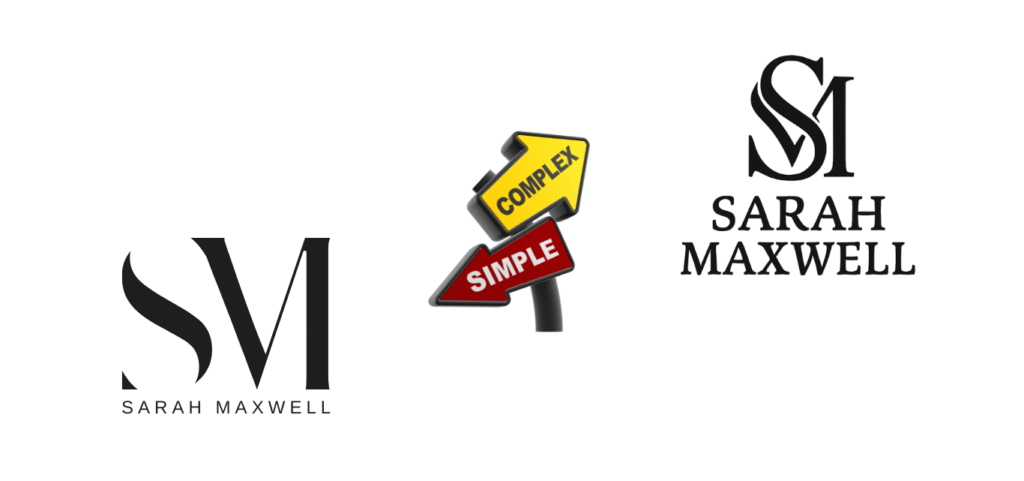
In logo design, simplicity means cutting out the extras and keeping only what’s necessary. A simple logo focuses on one strong idea. Clean shapes, limited colors, and thoughtful spacing all work together to create a design that’s easy to recognize and hard to forget
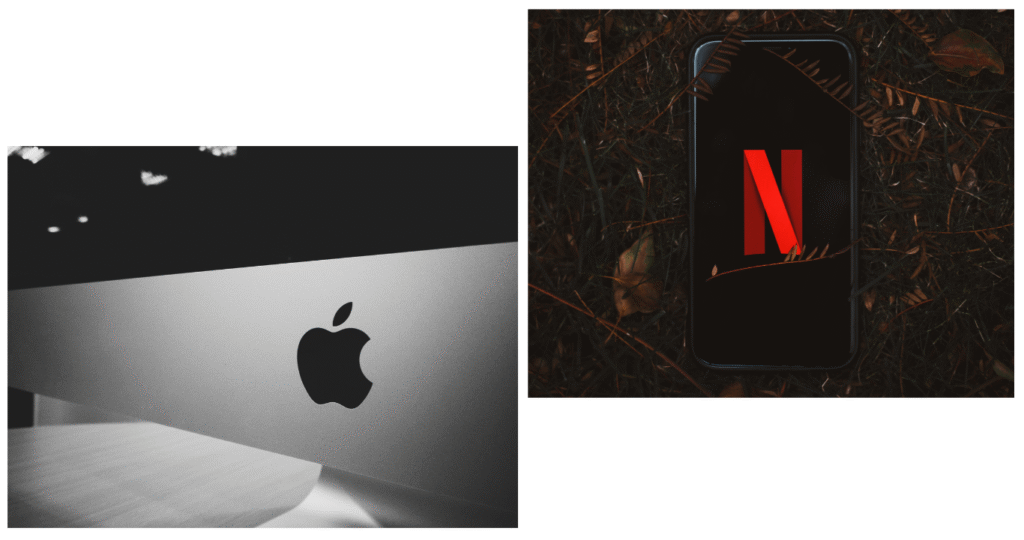
The most powerful logos are often the simplest. Think Apple, Netflix, or McDonald’s — instantly recognizable with minimal elements.
✅ Why Simplicity Matters:
- Clarity: Easy to understand at a glance
- Versatility: Works on all platforms (web, mobile, print, etc.)
- Memorability: Simple designs are easier to recall
- Timelessness: Avoids trends that quickly go out of style
🔧 Design Tips:
- Limit your color palette (2–3 colors max)
- Choose clean, readable fonts
- Use negative space creatively
- Avoid unnecessary details or effects
2. Reflect Your Industry and Brand Values
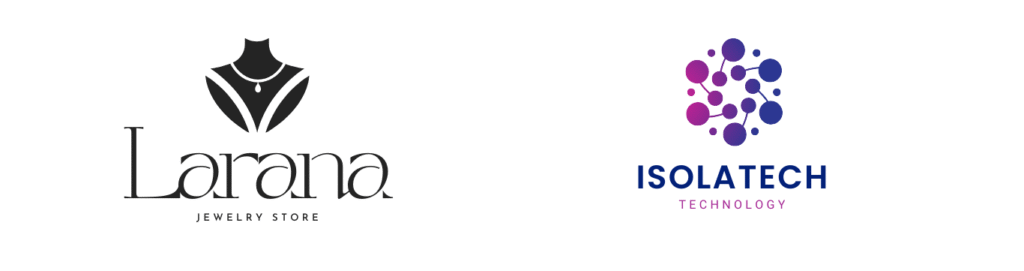
A great logo doesn’t just look good — it tells a story. It should visually represent your industry and clearly communicate your brand’s personality and values.
🎯 Why This Matters:
Your logo is often the first impression people get of your brand. If it doesn’t match what you do or what you stand for, it can cause confusion or make your business feel less trustworthy.
3. Choose Colors Strategically
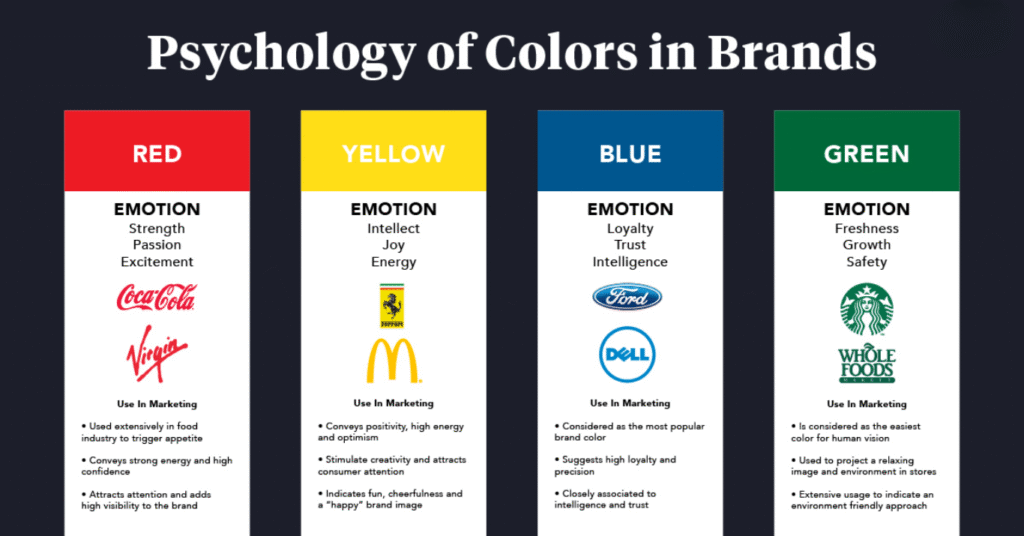
Colors are more than just visual decoration — they trigger emotional responses and shape how people perceive your brand. The right color choices can instantly create trust, excitement, calmness, or authority.
🎨 What Different Colors Convey:
- Blue: Trust, professionalism, security (common in finance and tech)
- Red: Energy, urgency, excitement (great for food or retail)
- Green: Nature, health, growth (ideal for wellness or eco-brands)
- Black: Sophistication, power, luxury
- Yellow: Optimism, friendliness, warmth
✅ Tip: Stick to 2–3 core brand colors, and use them consistently across all platforms.
4. Typography Matters
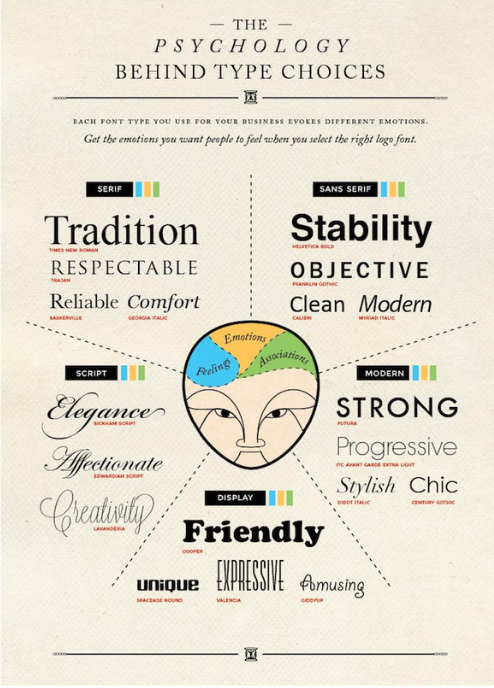
Fonts carry personality. The style of type you use in your logo can say a lot about your brand — even before someone reads the words.
🅰️ Font Types and Their Moods:
- Serif fonts (e.g., Times New Roman): Classic, traditional, reliable
- Sans-serif fonts (e.g., Helvetica): Modern, clean, accessible
- Script fonts (e.g., Pacifico): Elegant, creative, personal
- Display fonts: Unique, bold, used for making a statement
✅ Tip: Prioritize readability. Avoid overly decorative fonts that might look cool but confuse your audience.
5. Apply Fundamental Design Principles
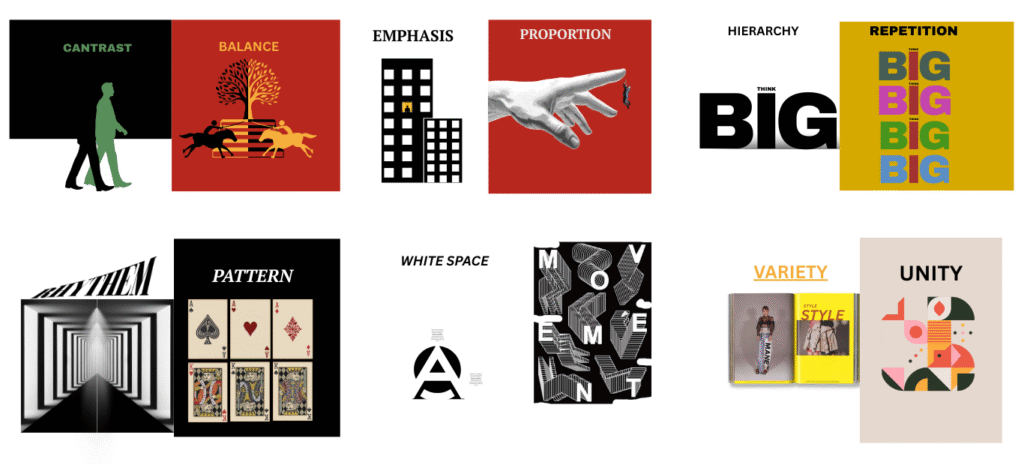
Good design is grounded in rules that keep things visually balanced and appealing. Applying these principles helps make your logo professional and polished.
⚖️ Key Principles:
- Balance: Distribute elements evenly so nothing feels too heavy or awkward
- Alignment: Keep elements properly aligned for a clean, intentional look
- Contrast: Use light/dark or big/small combinations to draw focus
- Proximity: Group related elements together
- Whitespace: Don’t cram — give your design room to breathe
✅ Tip: A clean design feels more trustworthy and communicates more clearly.
6. Ensure Scalability and Longevity
A great logo should look amazing whether it’s on a business card or a billboard. Scalability ensures your logo maintains its clarity and impact at any size, while longevity ensures it doesn’t look outdated in just a few years.
🔍 Scalability Tips:
- Design in vector format (like SVG or AI) so it stays crisp when resized
- Avoid overly intricate details that get lost at small sizes
- Test how your logo looks on various surfaces: print, digital, merchandise
🕰️ Designing for Longevity:
- Avoid trendy fonts or effects that might go out of style
- Keep it classic, clean, and flexible for future branding changes
- Make sure the logo aligns with your long-term brand vision
✅ Tip: Your logo should still be effective in black and white, which is key for printing and flexibility.
7. Stand Out While Staying Trustworthy
In a crowded market, you need to grab attention — but not at the cost of trust. Your logo should be unique enough to be memorable, but also professional enough to inspire confidence.
🧠 How to Stand Out:
- Find a distinctive symbol or font not overused in your industry
- Incorporate a clever visual metaphor or custom illustration
- Use color and spacing in a way that feels modern but not gimmicky
🤝 How to Build Trust:
- Keep it polished and consistent
- Avoid clashing colors or cluttered designs
- Reflect professionalism and purpose in every element
✅ Tip: Being creative is great, but always ask — does this design make someone feel like they can trust my business?
8. Brand Identity Consistency
A logo is a key part of your brand identity system. To build recognition and trust over time, your logo must be used consistently across every touchpoint — from your website and social media to packaging and presentations.
🎯 Ensure Consistency By:
- Creating a brand style guide with logo rules (size, spacing, placement)
- Using the same color codes and typography in all materials
- Training your team or designers to follow these standards
✅ Tip: Repetition creates recognition. The more consistent your logo use, the more memorable your brand becomes.
9. Common Pitfalls to Avoid
Even with the best intentions, it’s easy to make design choices that hurt your logo’s effectiveness.
⚠️ Watch Out For:
- Overcomplication: Too many colors, fonts, or icons
- Copycat designs: Looking too similar to competitors
- Low-quality files: Blurry logos that look unprofessional
- Ignoring feedback: Not testing your logo with real users or customers
- Focusing on trends: What’s popular today may look dated tomorrow
✅ Tip: Always aim for clarity, originality, and professionalism.
10. Conclusion & Takeaways
Designing a logo that builds trust isn’t just about beauty — it’s about strategy, intention, and consistency.
✅ Key Takeaways:
- Start simple and focus on recognition
- Reflect your industry and core brand values
- Use color and typography strategically
- Apply solid design principles to ensure clarity
- Make it scalable, timeless, and easy to use across platforms
- Stand out — but never compromise trust
- Keep your logo consistent as part of your brand identity
- Avoid common mistakes by testing and refining your design
🎯 Remember: Your logo isn’t just a graphic — it’s the face of your brand. Make it count.